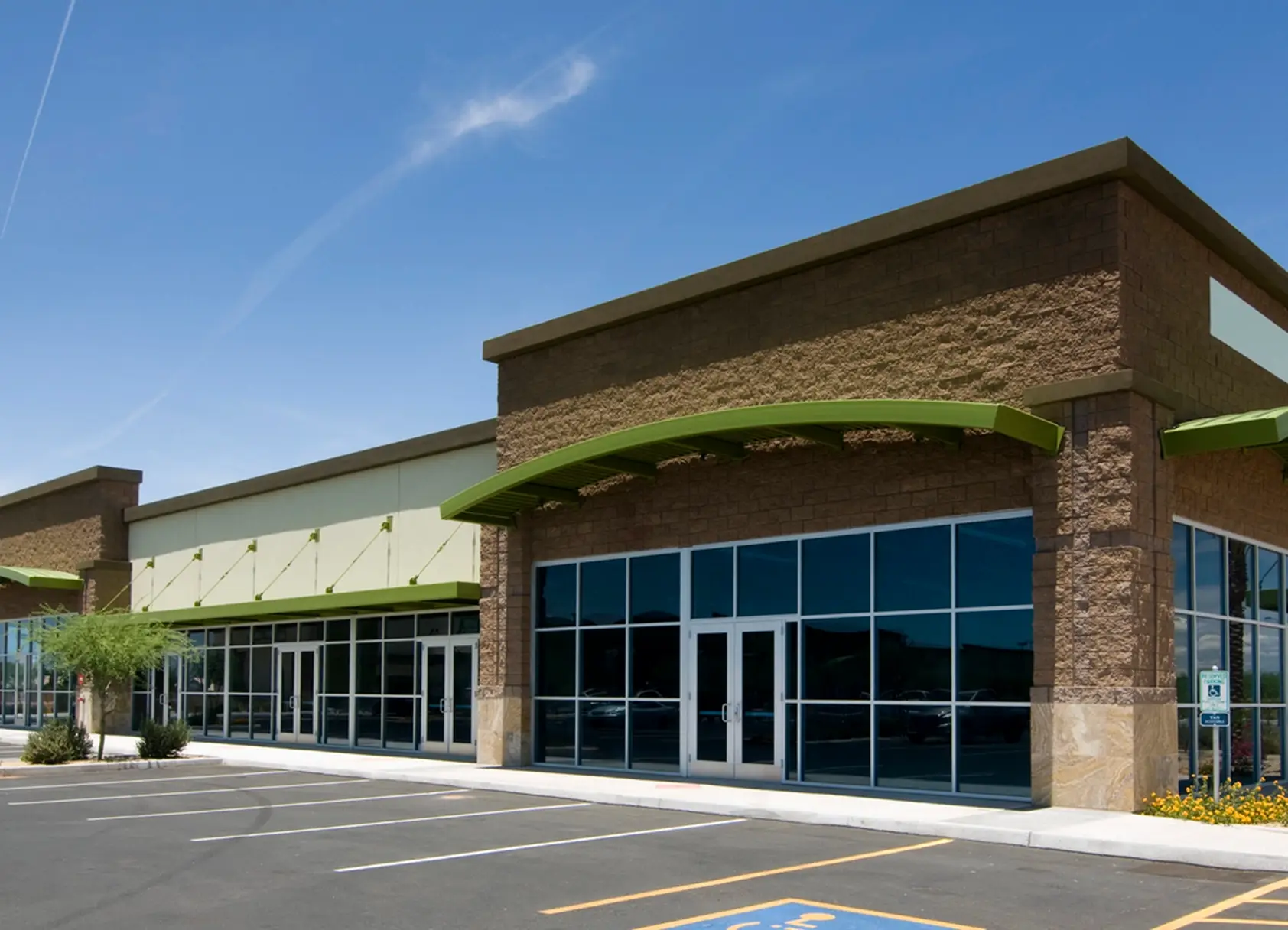
Owning a small retail property is often more “hands-on” than many landlords anticipate. When leasing to first-time business owners, you are not just a landlord; you are often an educator. Explaining NNN pass-throughs, common area maintenance (CAM), and usage rights takes time—and if handled poorly, it creates a recipe for future disputes.
A thorough, well-drafted lease agreement acts as a guardrail for these relationships. Here are four (4) critical areas where proactive legal planning can make your property more profitable and easier to manage.
A. The Power of a Detailed Letter of Intent (LOI)
Many landlords and tenants view the LOI as a mere formality. In reality, a comprehensive LOI that covers major deal points in detail can save weeks of back-and-forth during the formal lease drafting phase. Leaning on agreed-upon language or concepts in the LOI is a simple and quick way to curtail further negotiation with other attorneys – do the work upfront, with your attorney, and it will save you time and money.
B. Planning for Capital Expenses (The HVAC Trap)
Small businesses often struggle with sudden, large expenses. If your lease requires a tenant to replace an aging HVAC system, you may be legally in the right, but you could still face a tenant who simply cannot pay. Do you sue them? Do you replace the HVAC and hope they eventually pay? Like any relationship, addressing predictable issues can avoid turning a challenge into a full-blown dispute that sours the relationship and potentially occupancy of the space.
C. Maintaining Aesthetic Control
A small building with different, clashing signage styles can diminish the property’s overall value. Rather than relying on a “subjective right to approve,” landlords should implement clear, written Signage Criteria. This provides tenants with a roadmap, prevents costly design mistakes, and ensures your property maintains its curb appeal.
D. Navigating Construction and Delivery Timelines
If you are redeveloping a property while simultaneously signing leases, you will inevitably have to deal with “timeline risk.” You have to finish construction before a business can move in but you want to lease the space before the construction is completed. Construction delays are common, but they shouldn’t result in a breach of the lease. Building delivery flexibility protections into your lease allows you to manage delays without the constant threat of a tenant terminating their lease before they even move in.
While owning retail property is a financial investment, it is also a commitment to the growth of your local community. Protecting that investment requires more than just a standard template; it requires a legal framework that evolves with your property. Milgrom, Daskam & Ellis provides comprehensive legal support for small property owners, ensuring your assets are protected through every phase of ownership: particularly lease negotiations, management, and construction contracts. We represent landlords and tenants throughout Colorado – including Denver, Boulder, Fort Collins, and Colorado Springs.